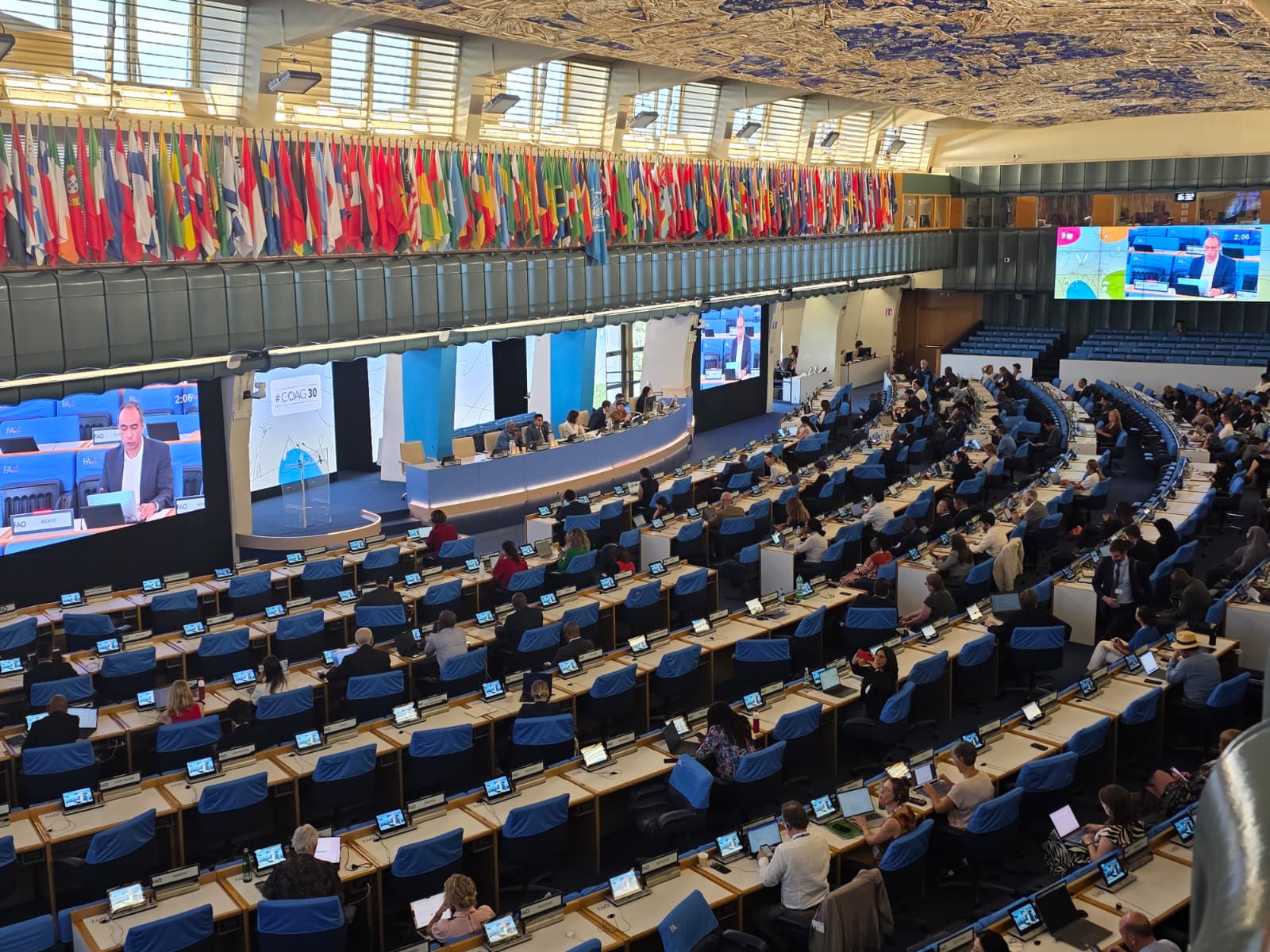
FAO Committee on Agriculture Sets Priorities for Resilient and Sustainable Agrifood Systems
The 30th Session of the Food and Agriculture Organization of the United Nations (FAO) Committee…

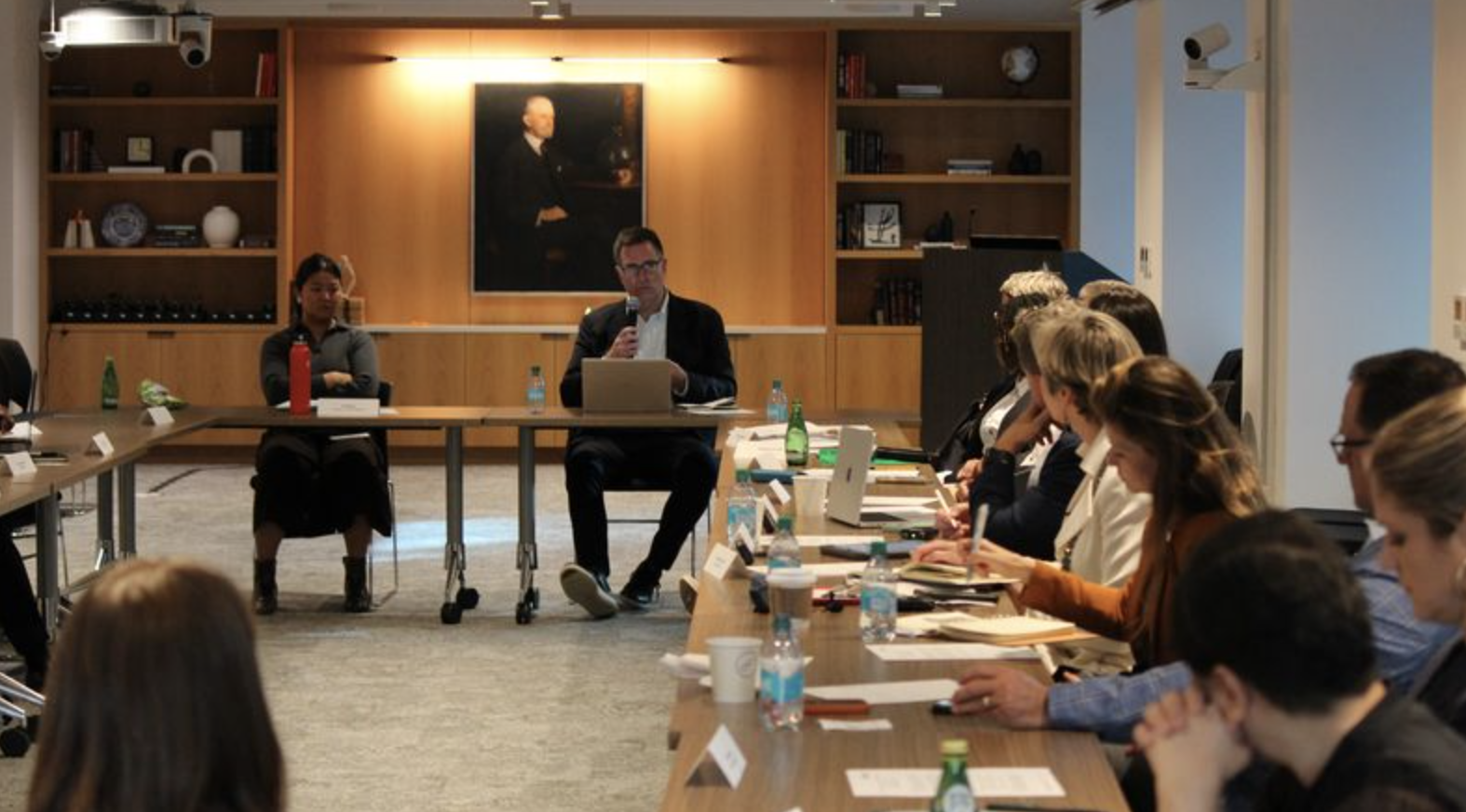
In these challenging times, when geopolitics seem more discordant than they have been in generations, there are still some bright lights. I saw them myself in New York during United Nations General Assembly (UNGA 81) and Climate Week.
In particular, I was struck by the growing willingness of different actors to take action themselves and to work in smaller, more focused groups to develop renewed agendas for action. At a time when major global and policy questions continue to shape momentum around the United Nations (UN) negotiations, there are also encouraging signs of practical collaboration. The United Kingdom (UK), among others, for example, have begun bringing the food security and climate agendas together in an effort to create greater focus. At the heart of this conversation, of course, is food security.
With that in mind, it was extremely heartening to see the growth of the Global Flagship Initiative for Food Security, with governments such as Rwanda and Botswana making new commitments to engage, alongside the important work of scientific institutions, including International Livestock Research Institute (ILRI) and the Alliance of Bioversity International and CIAT, to advance the agenda.
We also saw businesses coming together around the question of resilience. We were able to convene small working groups bringing together remarkably diverse actors from across the business ecosystem, from insurance and recycling to food processing and AI, from fertilizer companies to farmers’ organizations. These conversations were candid and practical, and several priorities emerged clearly.
First is the critical importance of diversifying supply chains and strengthening risk management. Businesses are increasingly recognising that resilience requires preparing for a much wider range of possible geopolitical and climatic scenarios and understanding how those scenarios could affect their operations.
But resilience also comes with costs. Systems built around just-in-time efficiency were not designed to absorb the additional redundancy, diversification and risk management that resilience requires. Addressing those costs will require shared investment and, in particular, greater willingness to invest further down the ecosystems in which businesses operate.
We heard examples of companies investing in water sourcing and quality, desalination, and the ecosystems surrounding their operations. This included supporting SMEs and investing in land-use management in places where businesses previously may not have seen a need to engage. These are becoming increasingly important parts of creating resilient operating environments.
As public spending priorities evolve, there will also be a growing need to de-risk these environments more broadly. There is real potential for businesses to work together to share some of the emerging costs, risks and opportunities rather than addressing them independently.
I would also highlight the work of the International Chamber of Commerce (ICC) to establish an emergency readiness committee within the UN, and the willingness of business to be part of that table. Bringing those with practical experience into discussions on preparedness and response can help ensure that response plans are grounded in what is possible on the ground.
There was also a sobering reminder of the scale of the challenges ahead. At the UN Foundation dinner, we heard that humanitarian assistance funding is expected to fall significantly short this year. This is forcing extremely difficult choices, with programmes increasingly focused on lifesaving interventions and fewer resources available for the longer-term development work needed to help people move out of refugee camps and rebuild sustainable lives.

The 30th Session of the Food and Agriculture Organization of the United Nations (FAO) Committee…
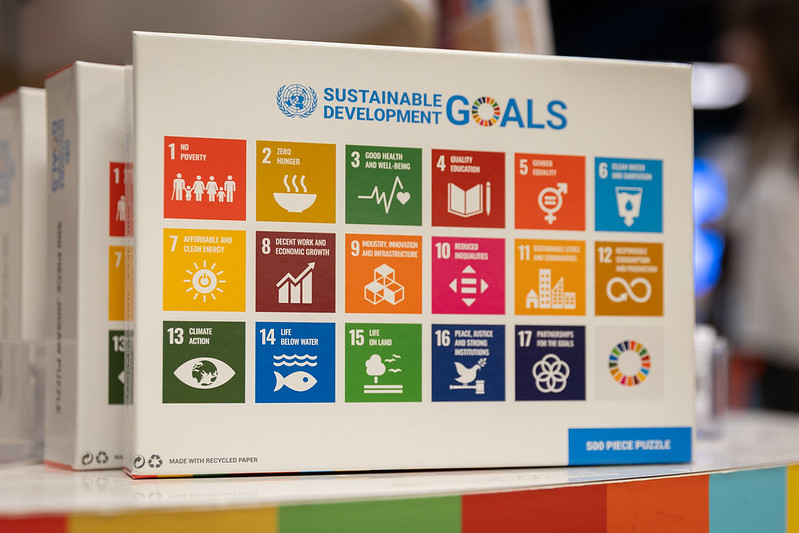
With only four years remaining to deliver on the promise of the Sustainable Development Goals…