Reflections from UNGA81 and New York Climate Week
In these challenging times, when geopolitics seem more discordant than they have been in generations,…

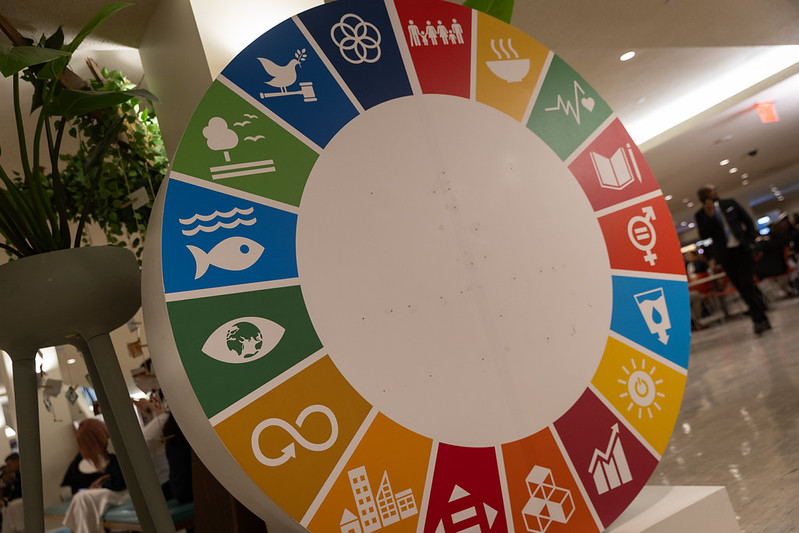
With only four years remaining to deliver on the promise of the Sustainable Development Goals (SDGs), the 2026 High-Level Political Forum on Sustainable Development (HLPF) marked a critical moment for the international community to take stock of progress, strengthen partnerships and accelerate action toward a more sustainable, inclusive and resilient future.
Convened at United Nations Headquarters in New York from 7–15 July 2026 under the auspices of the United Nations Economic and Social Council (ECOSOC), the Forum brought together governments and stakeholders to assess progress, share solutions and identify pathways for accelerated implementation of the 2030 Agenda.
The theme of this year’s Forum, “Transformative, equitable, innovative and coordinated actions for the 2030 Agenda for Sustainable Development and its Sustainable Development Goals for a sustainable future for all”, captured a growing recognition that incremental progress will not be enough to meet the ambitious targets set for 2030.
A defining feature of HLPF 2026 was its strong emphasis on transforming commitments into concrete results. Against a backdrop of escalating climate risks, economic uncertainty, persistent inequalities and widening financing gaps, discussions centered on practical solutions, scalable investments and multi-stakeholder partnerships capable of delivering measurable impact before the 2030 deadline. Across the Forum, a clear message emerged: the global community must move decisively from dialogue to delivery.
This shift reflected a broader recognition that the challenge is no longer a lack of ambition or understanding of what needs to be done. The Sustainable Development Goals are well defined, the evidence is clear and the tools increasingly exist. What is needed now is accelerated implementation. Participants emphasized that the remaining years of the 2030 Agenda must be focused on translating commitments into tangible outcomes at the national and local levels, supported by stronger accountability mechanisms, targeted investments and results-driven action.
The Forum also underscored that no Sustainable Development Goal can be achieved in isolation. Advancing each goal often creates positive impacts across others, reinforcing the need for integrated approaches that align environmental sustainability, economic growth and social inclusion.
Financing emerged as one of the most pressing issues at HLPF 2026. Participants acknowledged that achieving the SDGs will require investment at a scale far beyond what public resources alone can provide. While governments remain central to financing sustainable development, closing the gap will depend on mobilizing significantly greater private-sector capital through blended finance, sustainable investment vehicles, innovative financial instruments and enabling policy frameworks. The discussions underscored the need to create investment environments that attract capital while ensuring that financial flows support sustainable, inclusive and resilient development outcomes. In this context, businesses are increasingly seen not merely as beneficiaries of sustainable development, but as essential partners in delivering the innovation, financing and scale needed to accelerate progress toward the SDGs.
The Forum also highlighted the critical role of partnerships and innovation in driving implementation. Numerous examples demonstrated how multi-stakeholder collaborations are delivering tangible results by combining expertise, resources and innovative solutions. This emphasis reflects the central importance of SDG 17, which underpins progress across the entire SDG framework. At the same time, innovation emerged as a key enabler of sustainable development, with digital technologies, artificial intelligence, digital public infrastructure and advanced data systems recognized as powerful tools for improving service delivery, strengthening governance and expanding economic opportunity. However, participants stressed that innovation must be inclusive, ethical and accessible. Closing digital divides, strengthening governance frameworks and building trust in emerging technologies will be essential to ensuring that technological progress advances sustainable development and benefits all.
While important gains have been made since the adoption of the 2030 Agenda, participants acknowledged that progress remains uneven and, in many areas, too slow. HLPF 2026 therefore served as both a reality check and a call to action. Achieving the SDGs within the remaining years of the decade will require stronger partnerships, greater mobilization of public and private capital, accelerated innovation and far more coordinated action across countries, sectors and stakeholders. Ultimately, the success of the 2030 Agenda will be determined not by the commitments made, but by the collective ability to translate ambition into impact.
Why HLPF 2026 Matters for Business
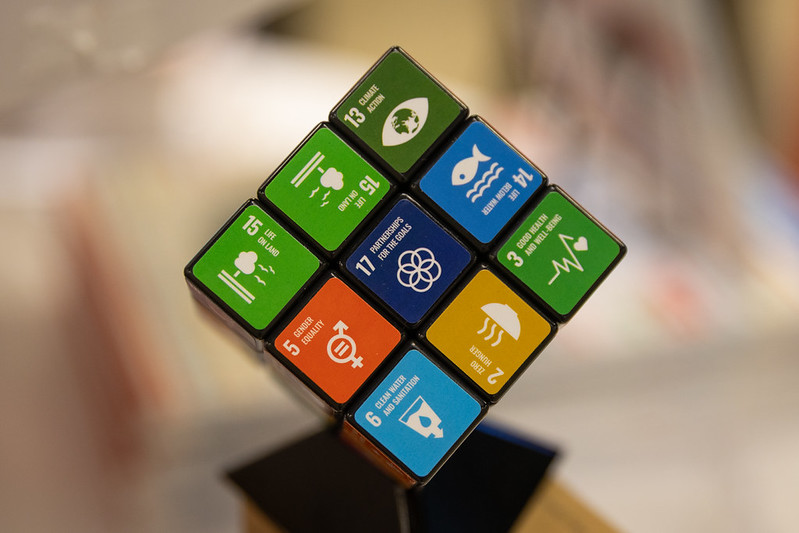
Perhaps the strongest message to emerge from HLPF 2026 was that sustainable development cannot be achieved by governments alone. Delivering on the SDGs will require stronger partnerships among governments, international organizations, businesses, civil society and local communities. The Forum also highlighted the growing role of the private sector, with businesses increasingly recognized not just as supporters of sustainable development, but as essential partners, investors and innovators capable of driving impact at scale.
For companies, aligning business strategies with the SDGs is no longer simply a matter of corporate responsibility. It is a strategic opportunity to build resilience, foster innovation, attract investment and create long-term value. As HLPF 2026 made clear, sustainable development and business success are becoming increasingly interconnected, making partnership and collaboration critical to achieving the goals by 2030.
Looking Ahead
The 2026 HLPF was more than an annual policy gathering, it was a critical checkpoint on the road to 2030. Achieving the SDGs will require transformative action, innovative solutions, increased investment and stronger partnerships. The path to 2030 will be defined not by commitments alone, but by implementation.
At the same time, the Forum looked beyond the immediate challenges of the 2030 Agenda and began laying the groundwork for the next phase of global sustainable development. HLPF 2026 also served as an important stepping stone toward the 2027 SDG Summit, where Heads of State and Government will come together to assess global progress and provide high-level political guidance for the final stretch toward 2030.
The Summit is expected to be a pivotal moment to renew political commitment, strengthen accountability and identify concrete actions needed to close persistent implementation gaps. More broadly, discussions at the Forum reflected a growing recognition that conversations on a post-2030 development framework must begin before the current agenda concludes. Importantly, participants viewed discussions on the future framework not as a replacement for the SDGs, but as an opportunity to learn from more than a decade of implementation experience with stakeholders emphasizing the need to build on the achievements and lessons of the SDGs while responding to emerging global realities, including technological transformation, demographic change, climate resilience, biodiversity loss and evolving patterns of inequality.
Organizations that are already aligning their strategies with the SDGs will be better positioned to contribute to, and benefit from, the next generation of sustainability priorities. Ultimately, HLPF 2026 reinforced a dual imperative: accelerate delivery of the SDGs today while laying the foundation for the next era of international cooperation and sustainable development. The success of both the 2027 SDG Summit and any future post-2030 framework will depend not only on the vision articulated for the future, but on the actions taken now to fulfill the promises already made.

In these challenging times, when geopolitics seem more discordant than they have been in generations,…
The 30th Session of the Food and Agriculture Organization of the United Nations (FAO) Committee…