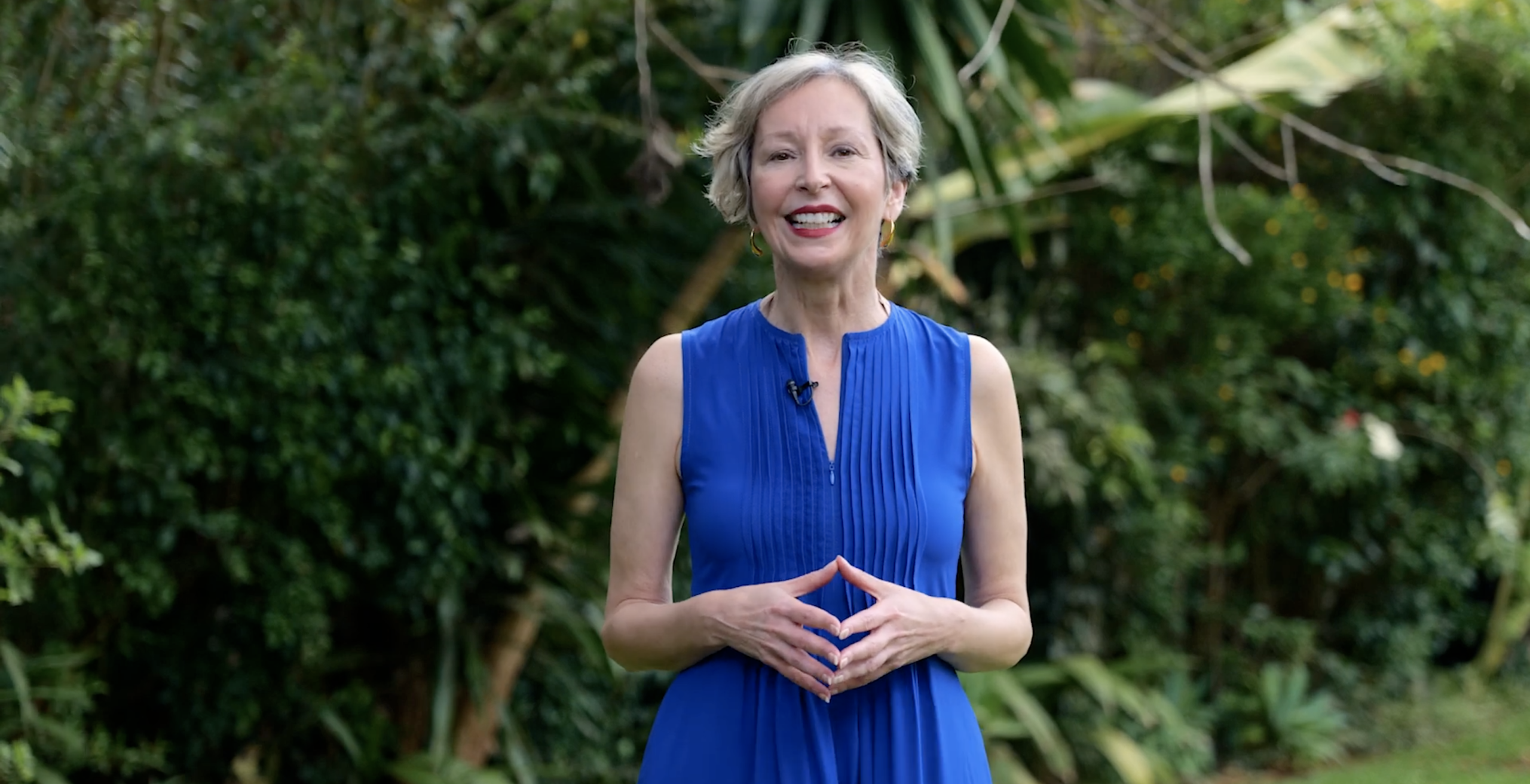
International Year of the Woman Farmer 2026
I love farmers. 2026 is the International Year of the Woman Farmer. Farms all over…


This year’s World Food Forum (WFF 2025) was unlike any before it; marking not only a renewed global call for agrifood transformation but also the 80th Anniversary of the Food and Agriculture Organization of the United Nations (FAO). Held from 10 to 17 October 2025 at FAO headquarters in Rome and online, the week-long flagship event gathered heads of state, youth innovators, scientists, investors, and private-sector leaders under the inspiring theme “Hand in Hand for Better Foods and a Better Future”.
This year’s Forum stood out for its clarity of purpose and inclusivity. It went beyond dialogue to foster practical collaboration and investment alignment; reminding us that transforming food systems is a shared responsibility, one that demands science-driven innovation, responsible business models, and strong partnerships across sectors.
The WFF 2025 was organized around three dynamic pillars: Global Youth Action, the Science and Innovation Forum, and the Hand-in-Hand Investment Forum. Together, these created a powerful ecosystem for innovation and action. The Science and Innovation Forum, in particular, highlighted how frontier knowledge and traditional wisdom can coexist to drive solutions, from regenerative agriculture and biofortification to climate-smart production systems that protect both people and the planet. The Hand-in-Hand Investment Forum showcased ambitious country investment cases, opening the floor for governments and investors to forge partnerships that will accelerate progress toward the Sustainable Development Goals (SDGs).
This year’s Forum was also profoundly shaped by its intergenerational energy. The Global Youth Action track demonstrated how youth-led entrepreneurship is reshaping agrifood innovation in Africa, Asia, and Latin America. It was encouraging to see emerging leaders harnessing digital technology, agritech, and community-based approaches to tackle food waste, empower women farmers, and create green jobs in rural areas.
Accelerator Mentorship Programme for Women-led SMEs in Africa
The Science and Innovation Forum also featured several key side events highlighting inclusive innovation and entrepreneurship. Among them was the launch of the Cohort Four of the Accelerator Mentorship Programme for Women-led SMEs in Africa session, held on October 17, 2025 at FAO Headquarters, as part of the World Food Forum’s Science and Innovation track.
The event brought together public and private sector leaders to celebrate and amplify the role of women entrepreneurs driving innovation across Africa’s agrifood systems. Panelists included Carlos Watson, Chief of the Private Sector Unit at FAO; Mary Boote, CEO of the Global Farmer Network and Chair of IAFN; Robynne Anderson, President of Emerging Ag; Eunice Mwongera, CEO and Founder of Hillside Green; and Abebe Haile-Gabriel, FAO Assistant Director-General. The discussion underscored how mentorship, investment, and innovation can jointly accelerate women’s leadership in agrifood transformation. Previously, 3 cohorts of 155 female entrepreneurs have participated in the programme. The 155 women represent over 30 countries in sub-Saharan Africa. Participants are selected from AGRA’s Value4Her Women Agripreneurs of the Year Awards (WAYA) top 100 finalists.
FAO’s 80th Anniversary
The FAO’s 80th anniversary lent the entire week a deeper sense of reflection and continuity. From the inauguration of the Food and Agriculture Museum and Network (MuNe) to the World Food Day ceremony; where Pope Leo XIV delivered a powerful appeal against the use of hunger as a weapon of war; the message was clear: our collective moral and ethical duty is to ensure that food remains a force for peace, not division.
Compared to previous years, WFF 2025 felt more action-oriented and globally integrated. The convergence of youth, science, and investment under a single platform demonstrated FAO’s evolution from a technical body to a convening powerhouse for partnership. For the private sector, it reaffirmed that meaningful transformation happens when innovation, inclusion, and investment move hand in hand.
As FAO enters its next decade, the private sector stands ready to partner in building better production, better nutrition, a better environment, and a better life, for all.

I love farmers. 2026 is the International Year of the Woman Farmer. Farms all over…
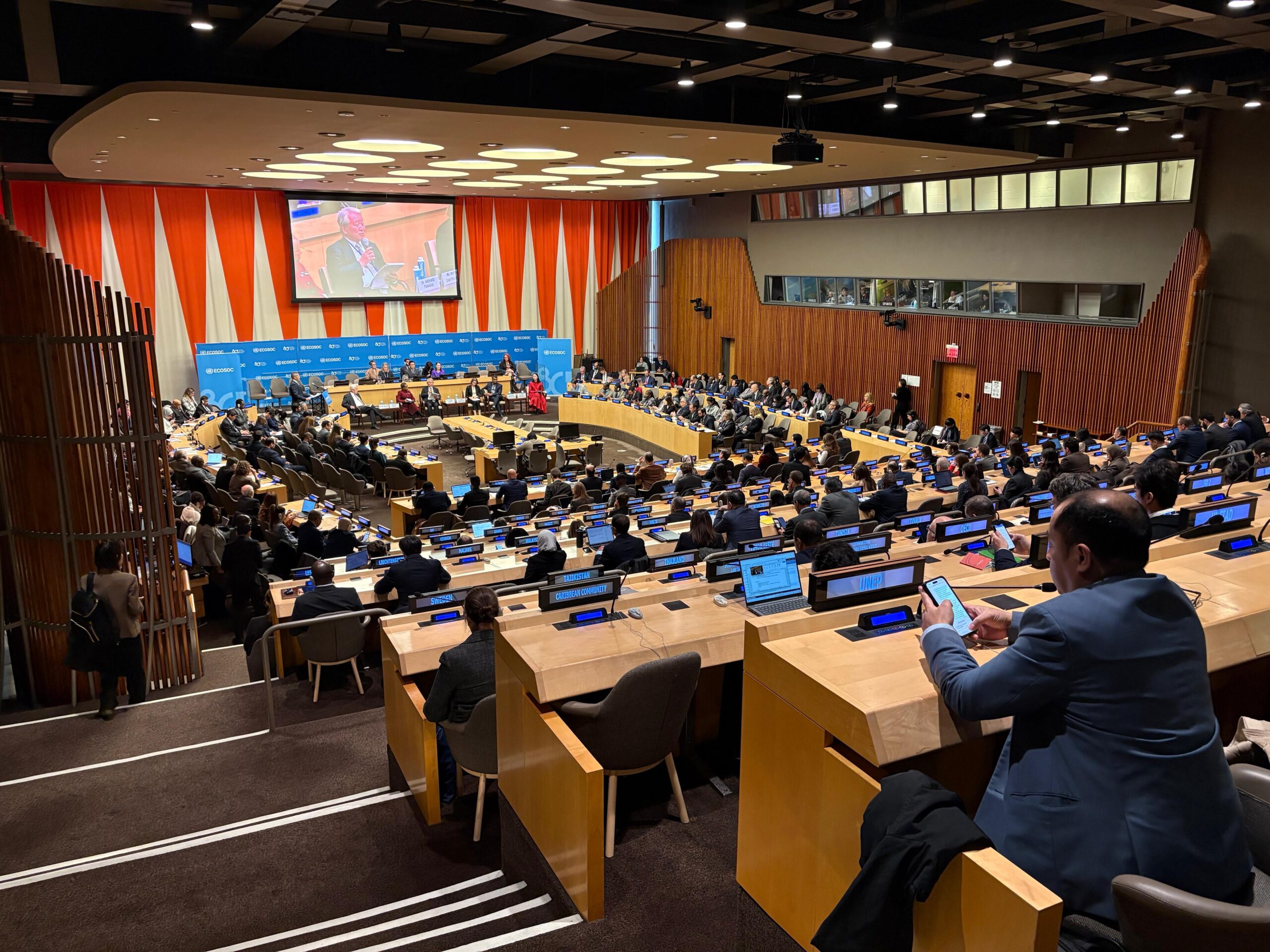
On 23 January, the United Nations Economic and Social Council (ECOSOC) convened a commemorative session…