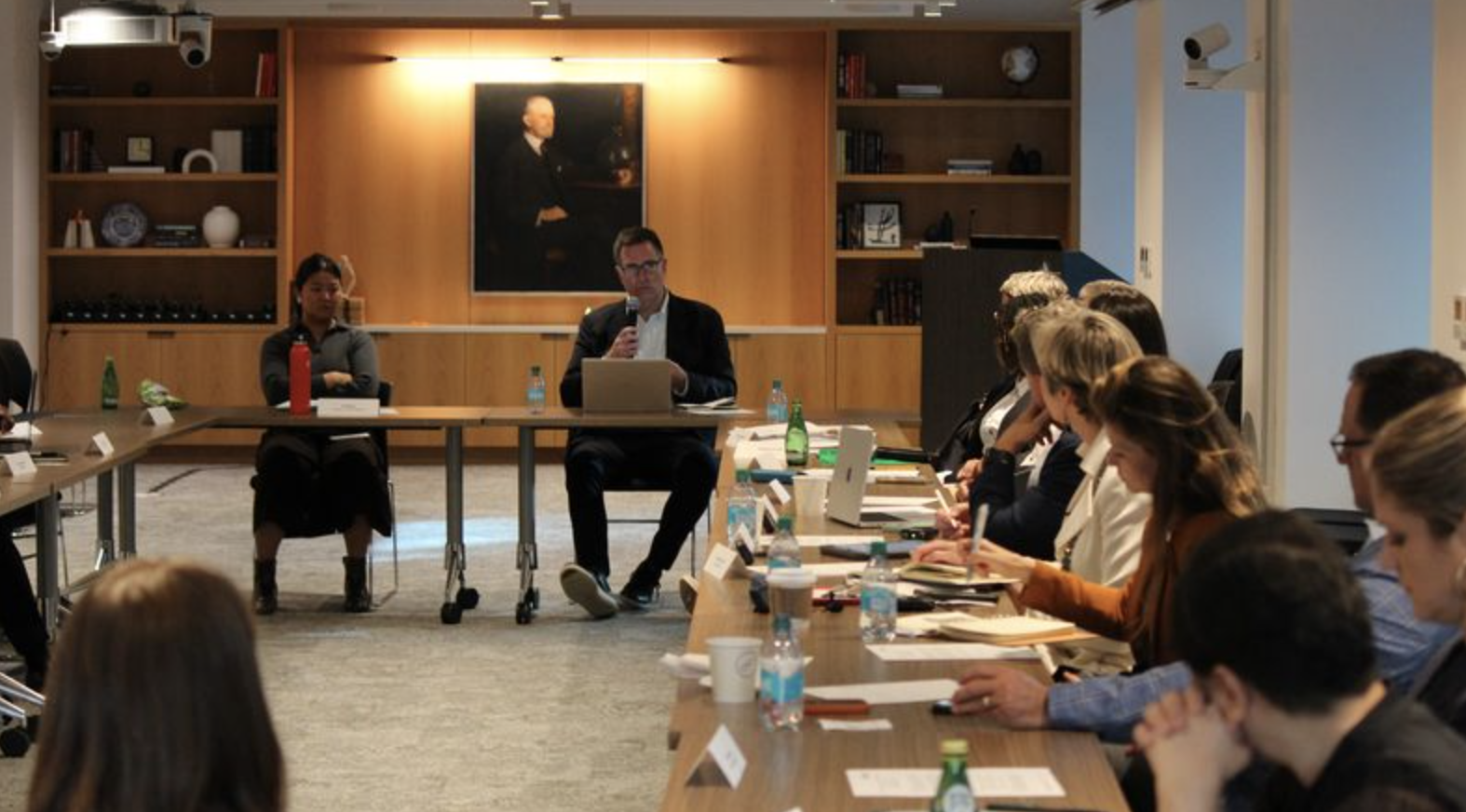
Reflections from UNGA81 and New York Climate Week
In these challenging times, when geopolitics seem more discordant than they have been in generations,…

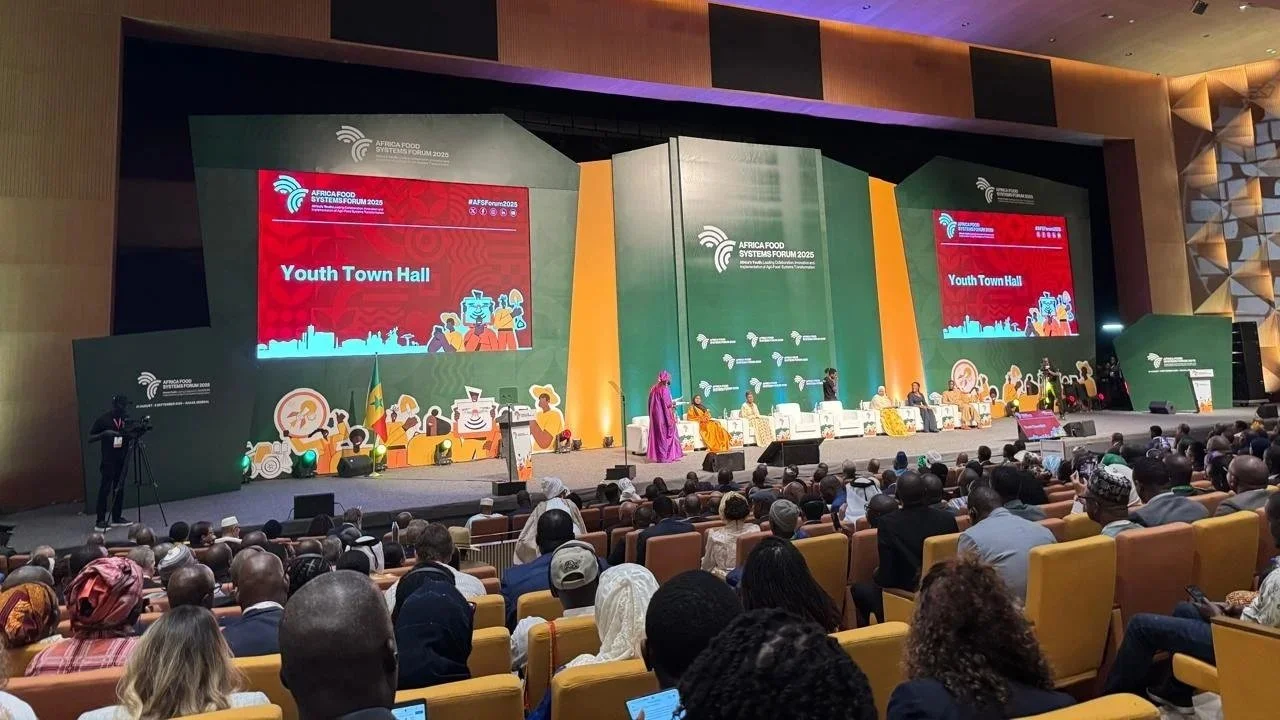
Early September, the Africa Food Systems Forum 2025 (AFSF 2025), hosted by the Government of Senegal, convened over 6,000 delegates from 86 countries in Dakar under the theme “Africa’s Youth: Leading Collaboration, Innovation, and Implementation of Agri-Food Systems Transformation.”
The AFSF Secretariat, local organizing committee and partners delivered a comprehensive program with 163 main program and partner-led sessions. These partner-led sessions, including 20 side events, 17 knowledge hub sessions and 6 masterclasses, were key in reaffirming AFSF as Africa’s premier platform for advancing collaborative action, policy alignment and investment in food systems transformation.
It takes a coordinated and cohesive web of partners to deliver a deep yet vast program that charts a path forward towards sustainable African agri-food systems. For AFSF 2025, partners met monthly over the year, divided into nine thematic platforms: Youth, Climate Resilience, Deals and Financing, Digitalization, Nutrition and Health, Policy and State Capability, Sustainable Production, Trade and Markets, and Women in Food Systems.
During these thematic platform meetings, members organized sessions by prioritizing topics, deciding on speakers, and later, giving progress updates. Monthly communication improved overall program visibility and reduced content redundancy, resulting in a wider range of partner-led events that centered African youth leadership and covered themes throughout the food systems value chain.
Thematic platform members across the board expressed strong desire to continue collaboration after Forum completion, rather than start again in 2026. To carry momentum through the AFSF and beyond, thematic platform leads agreed to summarize key takeaways from their main and partner-led sessions to produce a call to action which would drive food systems transformation across Africa and beyond. Some partners took things a step further and created their own side event call to actions on topics like sustainable inputs and Africa’s livestock sector.
In a time with increased budget constraints and a heightened urgency to address climate change, the eagerness from AFSF partners to take their call to actions to global discussions and negotiations brings hope in a sustainable, global food system. The collaboration that delivered AFSF 2025 is a prime example of strong partnerships that last long after the program is over.
Taking AFSF discussions to Africa Climate Summit 2 (ACS2) in Addis Ababa, Ethiopia and the upcoming 2025 United Nations Climate Change Conference (COP30) in Belém, Brazil shares with the world not only the transformative potential of African food systems but also African youth in agri-food systems.

In these challenging times, when geopolitics seem more discordant than they have been in generations,…
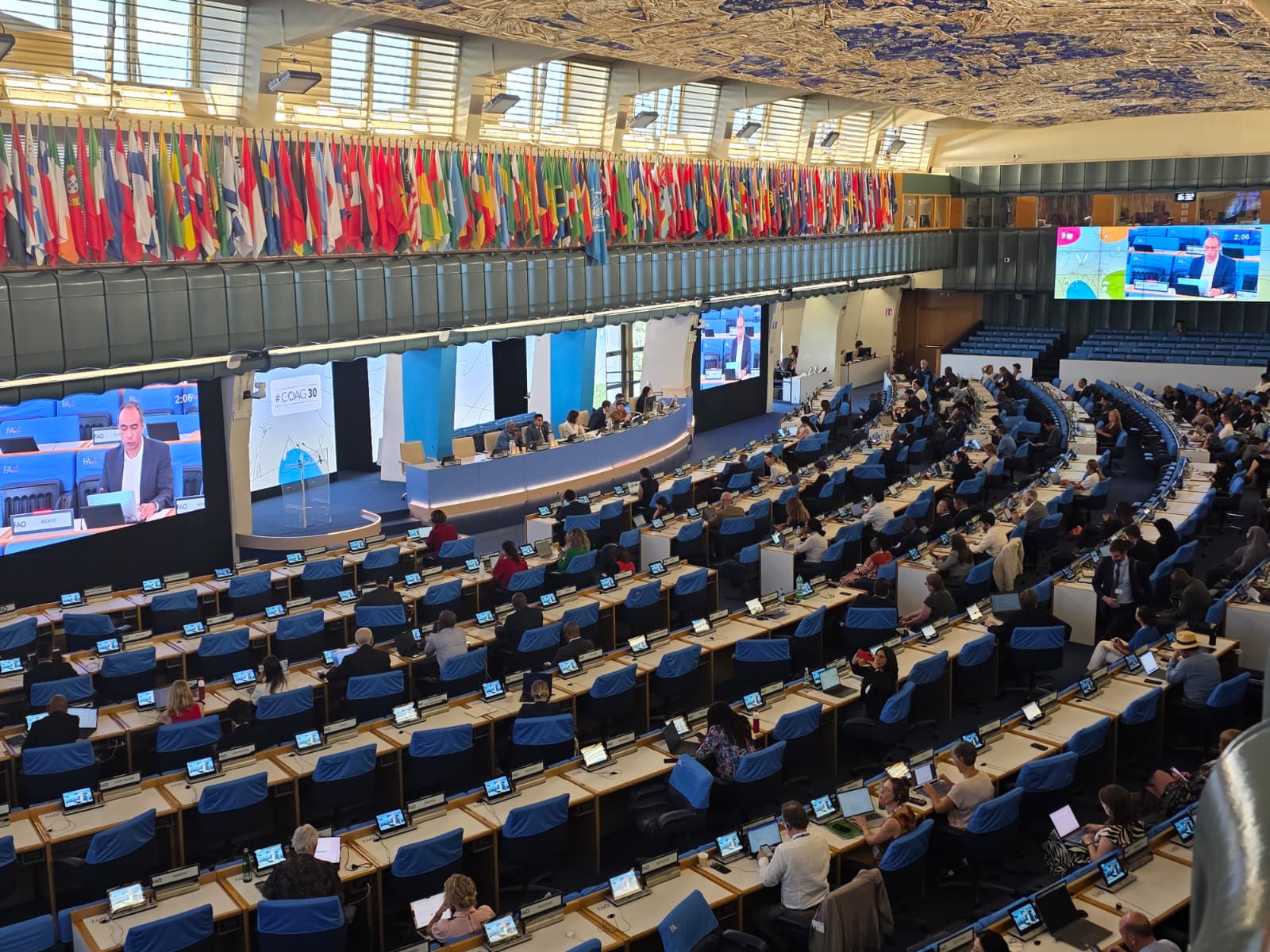
The 30th Session of the Food and Agriculture Organization of the United Nations (FAO) Committee…