
Reflections from UNGA81 and New York Climate Week
In these challenging times, when geopolitics seem more discordant than they have been in generations,…

The concept of bioeconomy seems to be gaining currency recently, but I’d say it is as old as time.
The mark of civilization, as they say, comes with agriculture, either domesticating animals or growing crops and developing the ability to create cities around spaces where we can produce our food. Out of that came very natural systems of living. We built houses from clay and wood, created woven buildings, and clothed ourselves in linens and wools, shaping societies around the natural things we could produce. As we’ve gotten further and further away from that, we are now facing the need to think again about the entire bioeconomy, recognizing that the food we produce also serves us for fiber and many other related needs.
In this conversation with Waiganjo Njoroge, VP Communications at Emerging ag, we unpack why the bioeconomy is a rediscovery of systems humanity has relied on for generations, and now viewed through the lens of innovation, sustainability, and the future of our planet.
Watch full video:

In these challenging times, when geopolitics seem more discordant than they have been in generations,…
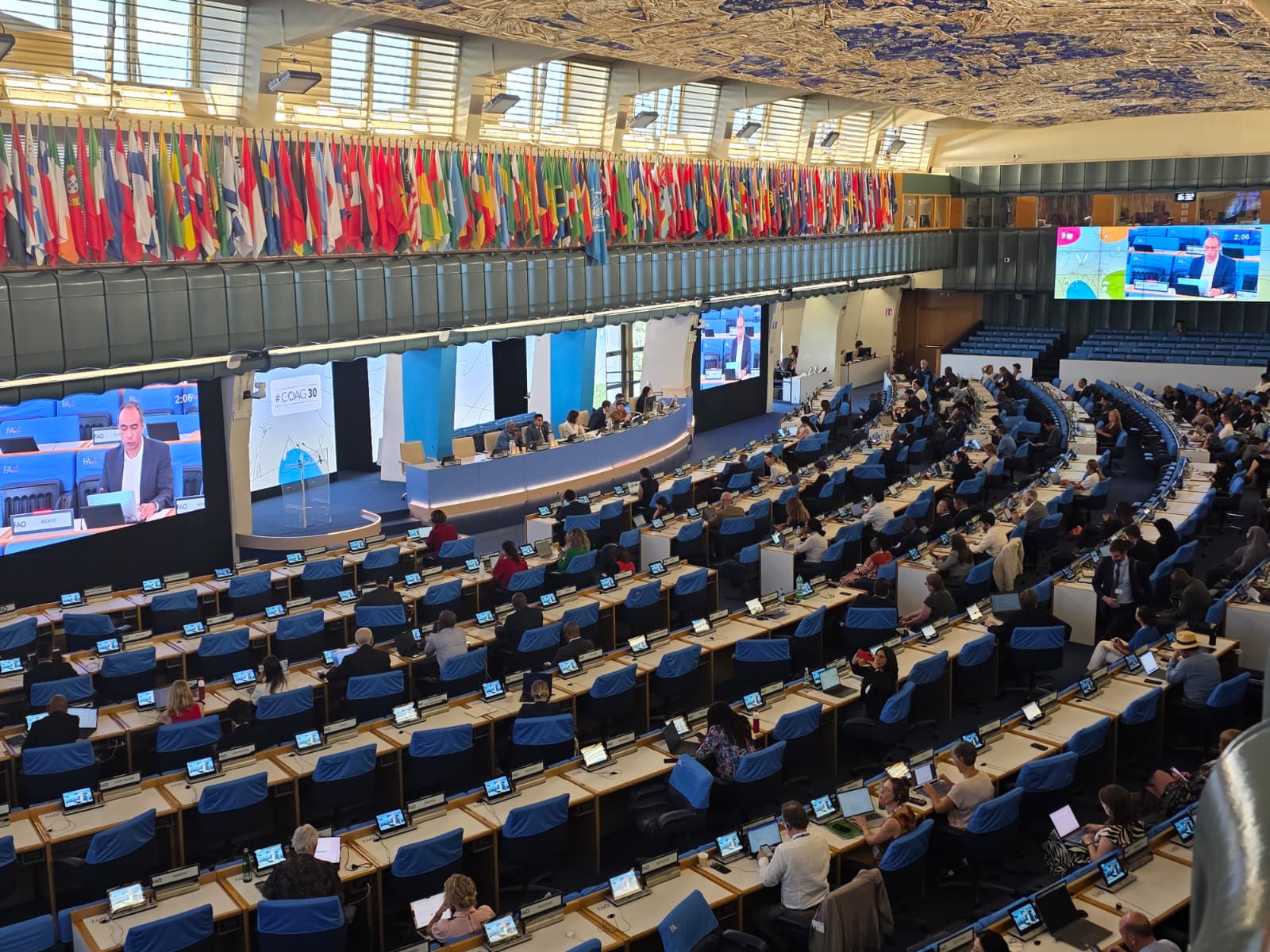
The 30th Session of the Food and Agriculture Organization of the United Nations (FAO) Committee…