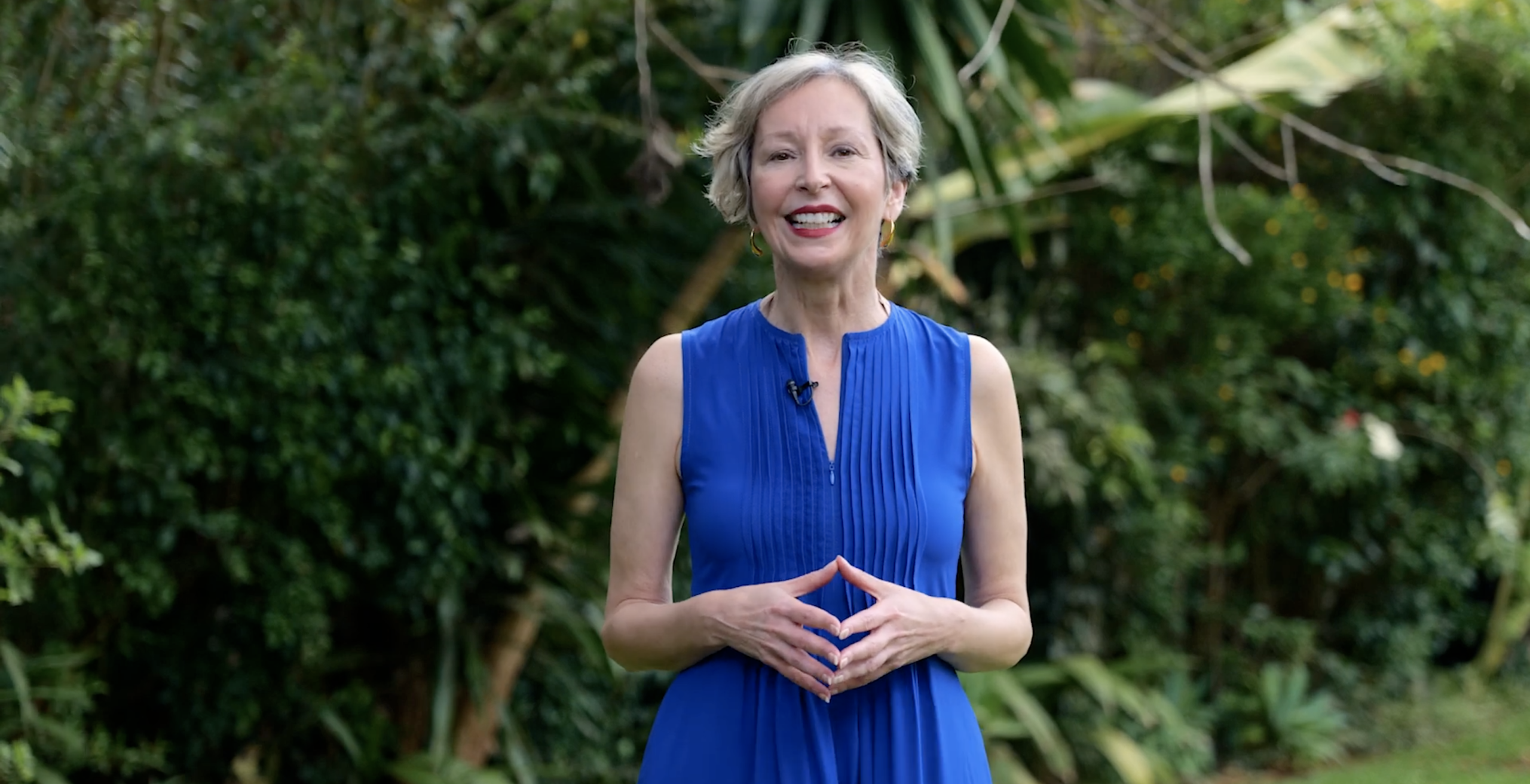
International Year of the Woman Farmer 2026
I love farmers. 2026 is the International Year of the Woman Farmer. Farms all over…

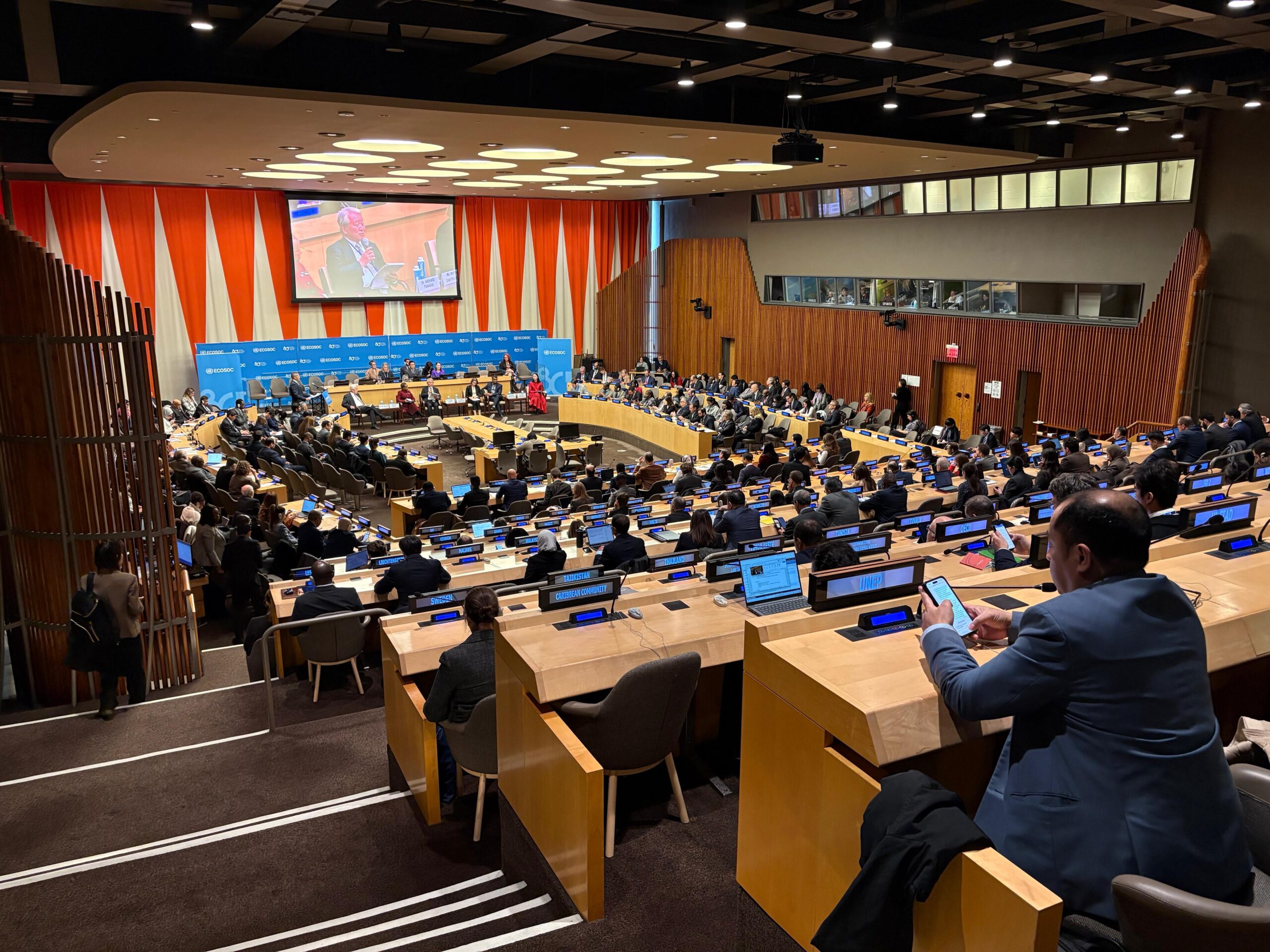
On 23 January, the United Nations Economic and Social Council (ECOSOC) convened a commemorative session marking its 80th anniversary under the theme “#ECOSOC80: A Turning Point for Multilateralism.” More than a ceremonial milestone, the gathering invited Member States and stakeholders to reflect critically on ECOSOC’s legacy and to consider what effective multilateralism must look like in a world facing unprecedented and interconnected pressures. The session underscored ECOSOC’s enduring contributions to sustainable development and global governance while reaffirming a collective commitment to solidarity and cooperation. It celebrated ECOSOC’s unique role as an inclusive forum and created space for reflection on how the Council can respond more effectively to today’s defining challenges, including inequality, climate change, financing for development, and the faltering progress toward the Sustainable Development Goals.
ECOSOC was born from the determination to prevent a return to the devastation and deprivation that followed global conflict. Enshrined in the UN Charter, its mandate to promote higher standards of living, full employment, social progress, and universal respect for human rights was ambitious by design. Eight decades later, that mandate has lost none of its relevance. If anything, it has become more urgent as the global environment grows more complex, volatile, and fragmented.
Over time, ECOSOC has evolved into the UN’s principal convening platform for development. Through its annual cycle, high-level segments, functional commissions, and partnerships, it has helped shape global responses to poverty reduction, gender equality, health, education, and, more recently, the implementation of the 2030 Agenda. Its comparative strength lies not only in setting priorities, but in its capacity to connect diverse actors and translate global commitments into coordinated, system-wide action.
Yet the world in which ECOSOC marks its 80th year is defined by profound and compounding challenges. Economic inequality has widened within and between countries, eroding social cohesion and undermining trust in public institutions. Many developing countries remain trapped by persistent poverty, shrinking fiscal space, and rising debt burdens, while vulnerable communities face repeated shocks, from pandemics to food and energy price volatility. As a result, progress toward shared development goals has become increasingly uneven, placing the promise of inclusive growth under severe strain.
Climate change has become one of the most profound economic and social challenges of our time, with extreme weather, environmental degradation, and biodiversity loss undermining development gains, threatening livelihoods, and driving displacement, while simultaneously straining health systems, food security, infrastructure, and employment. These pressures are unfolding as the multilateral system itself faces growing stress from geopolitical tensions, fragmented priorities, and declining trust, making consensus harder to achieve and widening the gap between global commitments and national implementation. Compounding these challenges is a deep financing shortfall, as the trillions required annually for sustainable development remain out of reach for many countries burdened by limited fiscal space, constrained access to capital, and unsustainable debt. Rapid technological change further complicates the landscape, offering significant opportunities to accelerate development but also risking wider digital divides and raising ethical, social, and governance questions that demand coordinated global solutions.
Against this backdrop, ECOSOC’s 80th anniversary is not simply a moment for retrospection; it is a call to renewal. The Council’s future relevance will hinge on its ability to strengthen policy coherence across the UN system, ensuring that development, humanitarian, and peace efforts are mutually reinforcing rather than siloed. It will also depend on revitalizing inclusive multilateralism by engaging civil society, youth, local authorities, and the private sector in ways that meaningfully inform decision-making and ground global policy in lived experience.
Eighty years after its creation, ECOSOC stands at a crossroads. The principles that guided its establishment, such as solidarity, cooperation, and shared responsibility, are as relevant today as they were in 1945. Commemorating this milestone should therefore serve as a recommitment to effective multilateralism; one capable of confronting inequality, climate change, and systemic risk through collective action. In an increasingly fractured world, ECOSOC’s convening power and coordinating mandate remain vital instruments for shaping a more just, sustainable, and resilient global future.

I love farmers. 2026 is the International Year of the Woman Farmer. Farms all over…
In 2025, science, innovation, and collaboration came together to deliver real impact for people and…