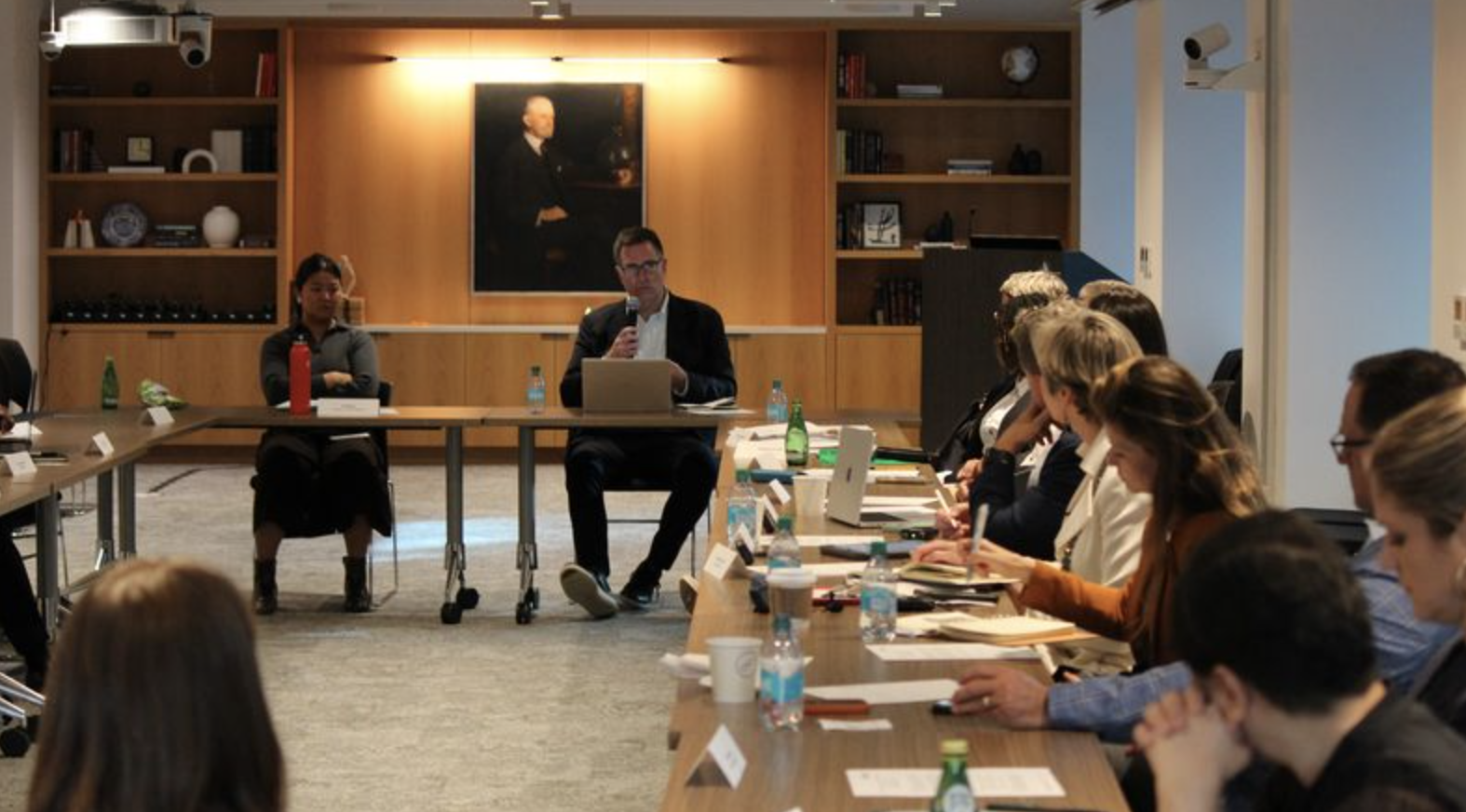
Reflections from UNGA81 and New York Climate Week
In these challenging times, when geopolitics seem more discordant than they have been in generations,…

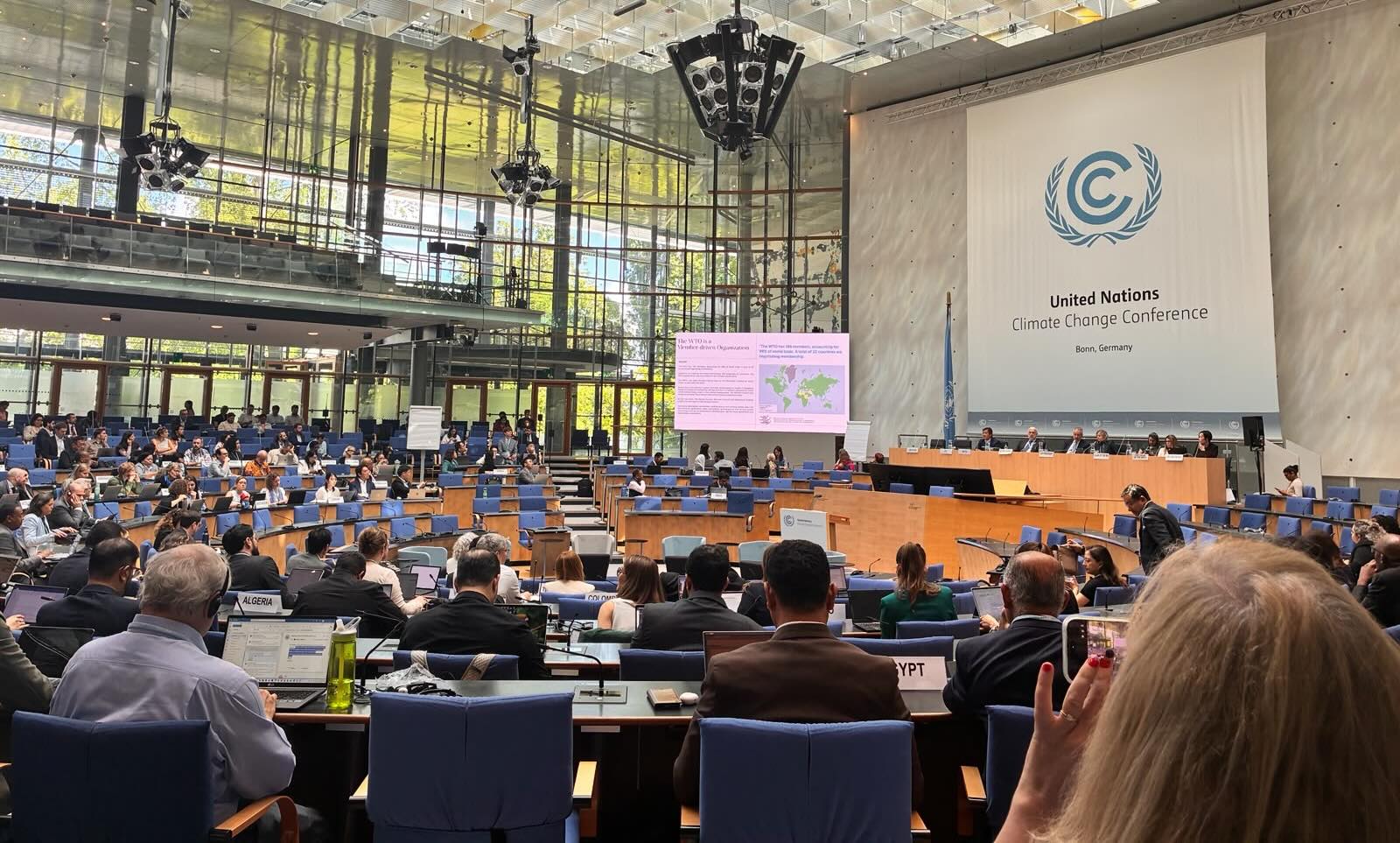
The Bonn Climate Conference (SB64) marked the final major technical session before COP31 in Antalya, where the Turkish and Australian Presidencies aim to make implementation the defining theme. Bonn demonstrated why this ambition is both timely and challenging.
Across the session, progress was limited. Agriculture, adaptation, just transition and mitigation all moved forward mainly through procedural outcomes, with many substantive decisions left for COP31. For food and agriculture, the key result was that the future of the Sharm el-Sheikh Joint Work on Agriculture and Food Security remains unresolved, even as agriculture is identified as a priority by the Turkish Presidency.
“Implementation” has become the climate process’s new buzzword, but it still lacks a common definition. Depending on who is speaking, it can mean delivering Paris Agreement commitments, mobilising finance and technology, or accelerating practical action on the ground. It also raises a broader question: how can the UNFCCC better connect policy with implementation while helping leverage existing resources and attract new ones?
Emerging Ag was closely engaged in these discussions. Fabio Niespolo, Director of Public Affairs and Climate Lead at Emerging Ag, participated as an invited expert in a dialogue convened by FAO, CIAT and WWF on the future of agriculture under the UNFCCC. He also contributed to the SJWA World Café, which brought together governments, researchers, international organisations and practitioners to exchange practical experiences on climate action in agriculture.
A central takeaway from Bonn is that implementation cannot simply become a new label for the climate process. It requires bridging the gap between policy and practice: bringing together governments, businesses, researchers, farmers and financiers to accelerate action on the ground.
SB64 will not be remembered for major breakthroughs. Its significance lies in the questions it leaves for Antalya — and in the opportunity for COP31 to demonstrate what an implementation-focused climate process can truly deliver.

In these challenging times, when geopolitics seem more discordant than they have been in generations,…
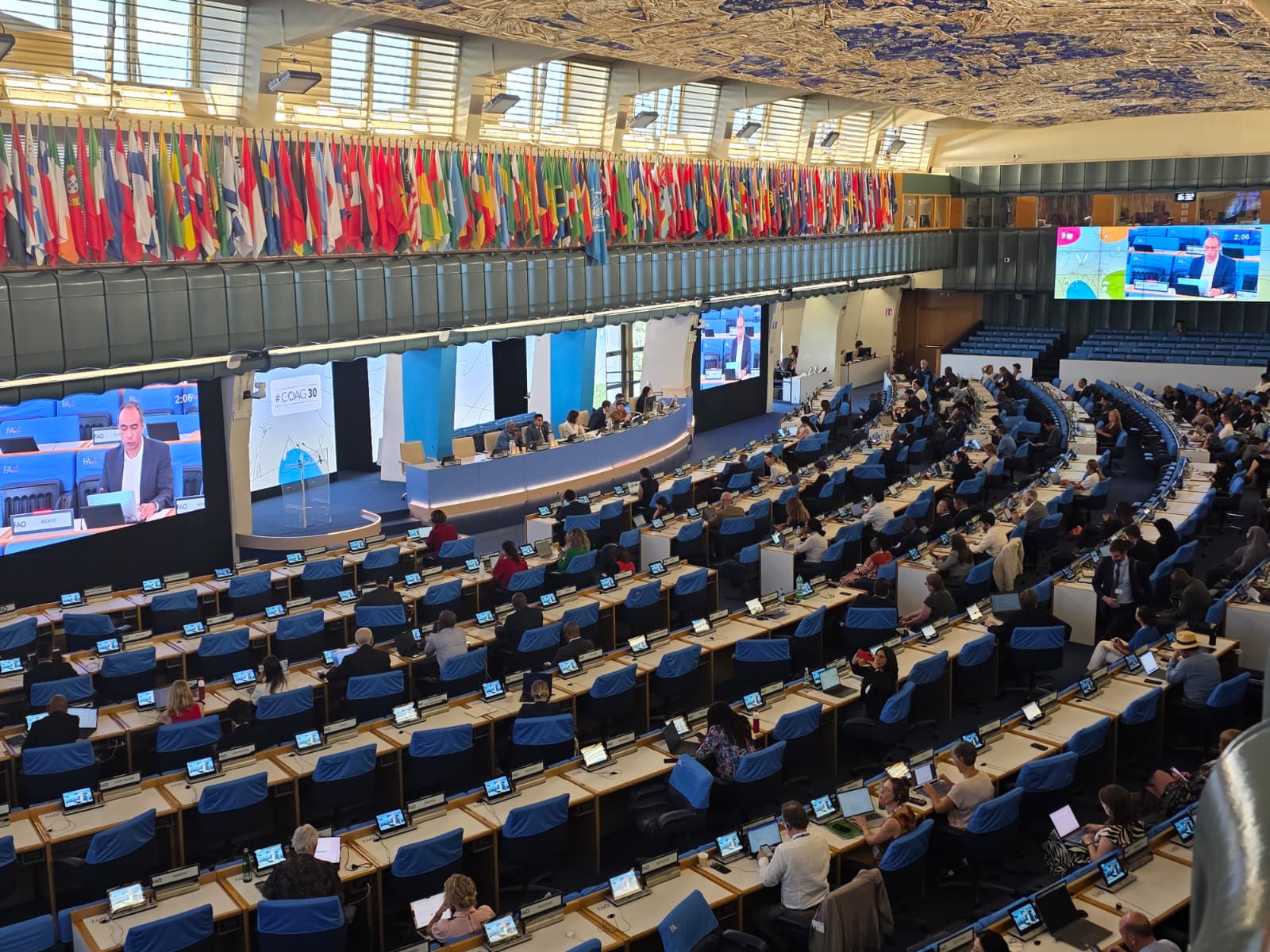
The 30th Session of the Food and Agriculture Organization of the United Nations (FAO) Committee…