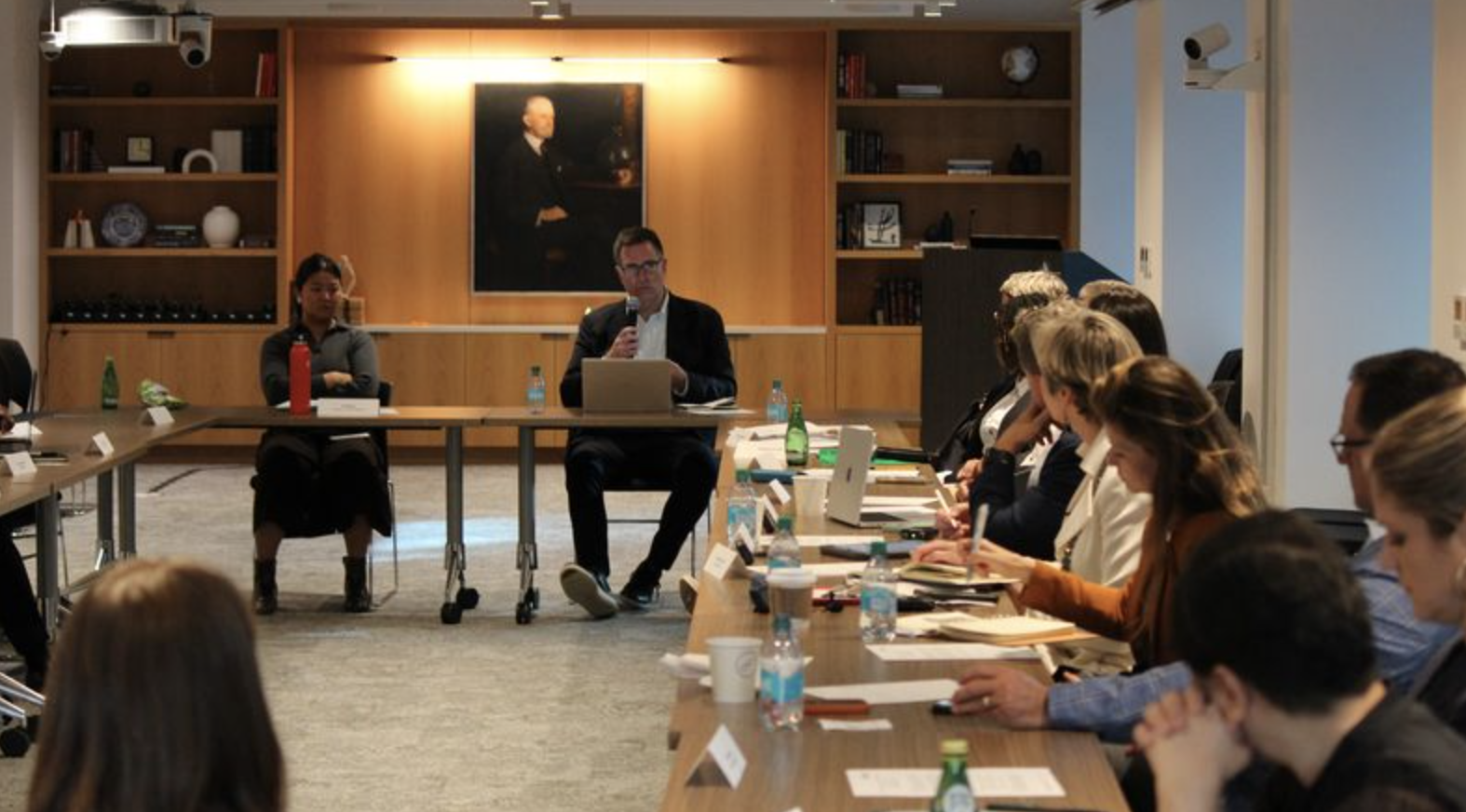
Reflections from UNGA81 and New York Climate Week
In these challenging times, when geopolitics seem more discordant than they have been in generations,…

The global system is undergoing a profound inflection, as the familiar architecture of international order strains under the weight of accelerating geopolitical and economic shifts. International cooperation, once the stabilizing force that enabled collective action, is now challenged by overlapping crises that expose the limits of existing institutions and the fragility of the frameworks that once held the world together.
In moments of uncertainty, leadership matters. And at this moment, no leadership choice carries more significance than the selection of the next Secretary-General of the United Nations (UN). The Secretary-General chosen in 2026 will not simply lead the UN, he or she will help shape global stability at a moment of rising tension and shifting power. That is why qualified, visionary, and representative leadership is not only timely. It is essential.
The next UN Secretary General will need more than diplomatic finesse. The role demands a leader capable of navigating a global environment defined not by consensus, but by contestation, not by stability, but by volatility. We are living through a time when conflicts are multiplying, humanitarian needs are soaring, and crises, from climate shocks to digital threats and food insecurity, move faster than our systems can respond. Major-power trust is eroding. At the same time, the international order itself is changing. Emerging economies are asserting greater influence. Regional organizations are playing larger roles. And while many nations are turning inward, the challenges we face demand collective solutions.
It is against this backdrop that the United Nations has begun the process of selecting its next Secretary-General. The call for candidates with proven leadership, deep international experience, and strong diplomatic skill is a recognition that symbolic stewardship is no longer enough. Substance, strategy, and courage are now the baseline.
The UN needs a leader who can navigate rival blocs, mediate escalating disputes, and defend global norms that are increasingly contested. The Secretary-General cannot be a passive custodian of the system. They must be an active steward of global stability, a moral compass when norms are under attack, a mediator when dialogue collapses, and a strategist when power politics overwhelms principle. This is why the next Secretary-General must be both a bridge-builder and an innovator, someone capable of revitalizing a system too often viewed as outdated or unequal.
Greater transparency, public candidate lists, vision statements, clear campaign financing, marks an important step toward rebuilding trust in global governance. And the expectation that UN officials suspend their duties during the campaign reinforces a simple truth: legitimacy in global leadership must be earned through fairness and impartiality. The emphasis on transparency, inclusivity, and gender equity in the selection process is not procedural housekeeping; it is a signal of a deeper need to modernize the UN so that its leadership reflects the world it serves. The reminder that no woman has ever held this position is a stark illustration of the work that remains.
The next Secretary-General will be called upon to steer the UN through a period when great-power rivalry threatens to overshadow global cooperation. The early, structured, and open selection process, including interactive dialogues with Member States, reflects the urgency of choosing a leader capable of uniting divergent interests and restoring the UN’s convening power. This is not a routine search. It is a pivotal decision at a pivotal time.
The world is calling for a Secretary-General who understands that leadership today is not about managing the status quo but challenging it. Someone who recognizes that emerging economies are not merely participants in the global system, but pivotal architects of its future. Someone who sees that legitimacy flows from transparency, inclusion, and the courage to confront the hard truths about how global governance must evolve.
The next Secretary-General must embody the values the UN was built upon, yet be bold enough to reimagine how those values are expressed in a world the Charter’s founders could never have foreseen. They must be trusted by the powerful, and trusted even more by those who have been historically sidelined. They must have the moral clarity to call out injustice, the diplomatic agility to bridge divides, and the intellectual vision to steer humanity through an era defined by systemic transformation.
This moment requires not just a leader, but a catalyst, someone capable of restoring faith in global cooperation when it is easiest to abandon it. Someone who not only understands the world as it is, but who can inspire the world as it must become.
Because in a time of fractured geopolitics, eroding norms, and rising uncertainty, the question is not whether leadership matters. The question is whether we can afford anything less than extraordinary leadership. And the answer is unequivocal: we cannot.

In these challenging times, when geopolitics seem more discordant than they have been in generations,…
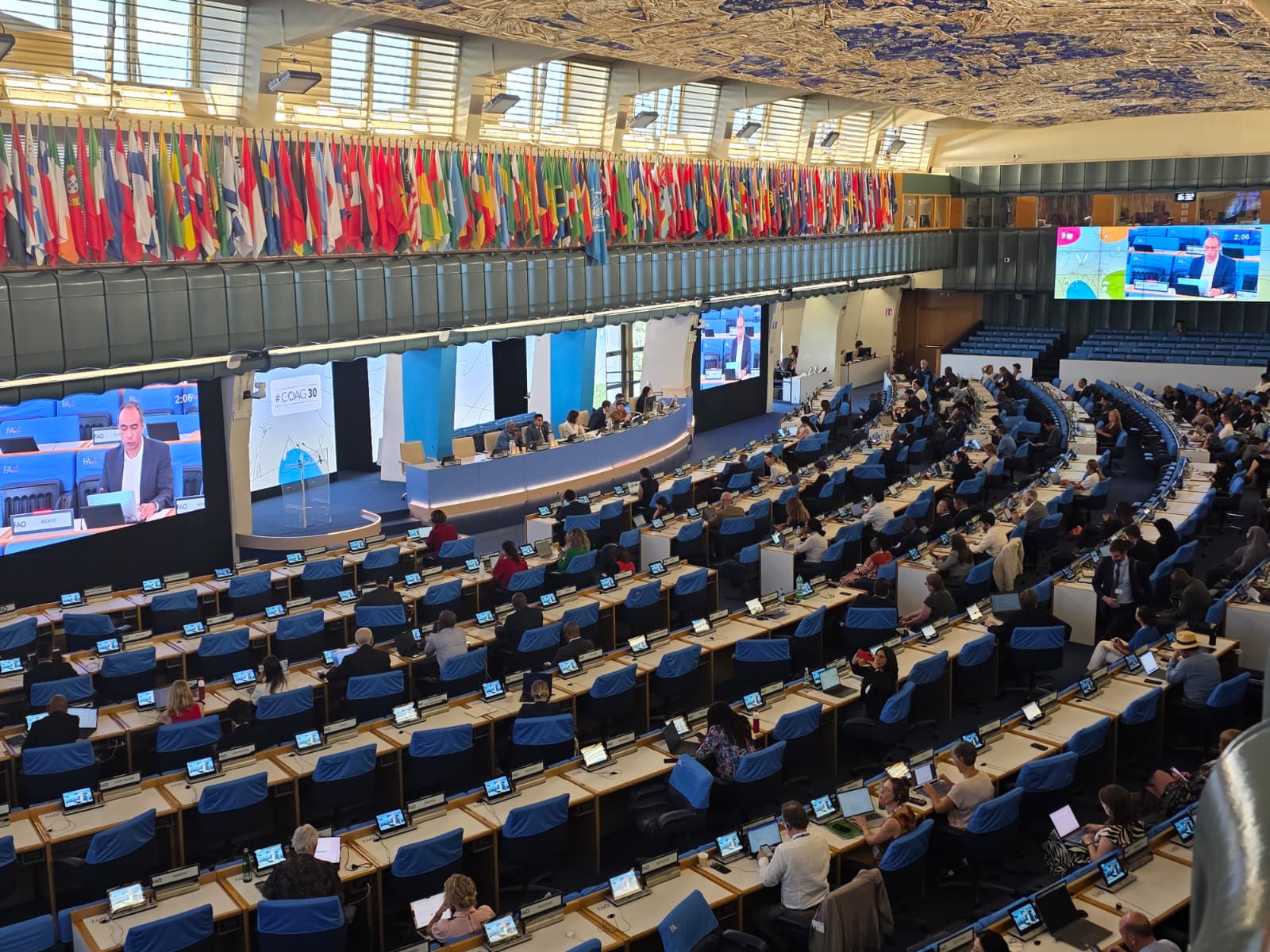
The 30th Session of the Food and Agriculture Organization of the United Nations (FAO) Committee…