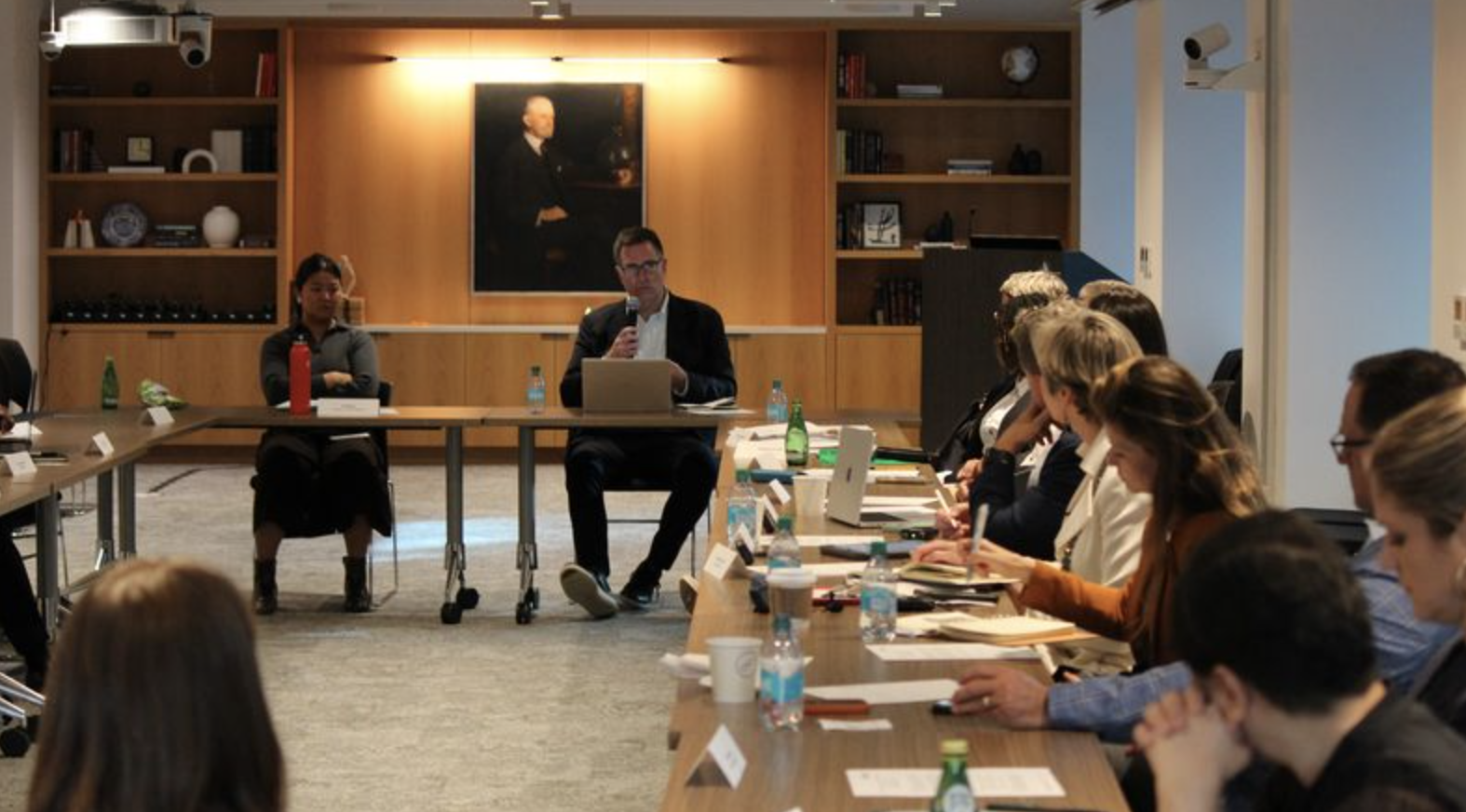
Reflections from UNGA81 and New York Climate Week
In these challenging times, when geopolitics seem more discordant than they have been in generations,…

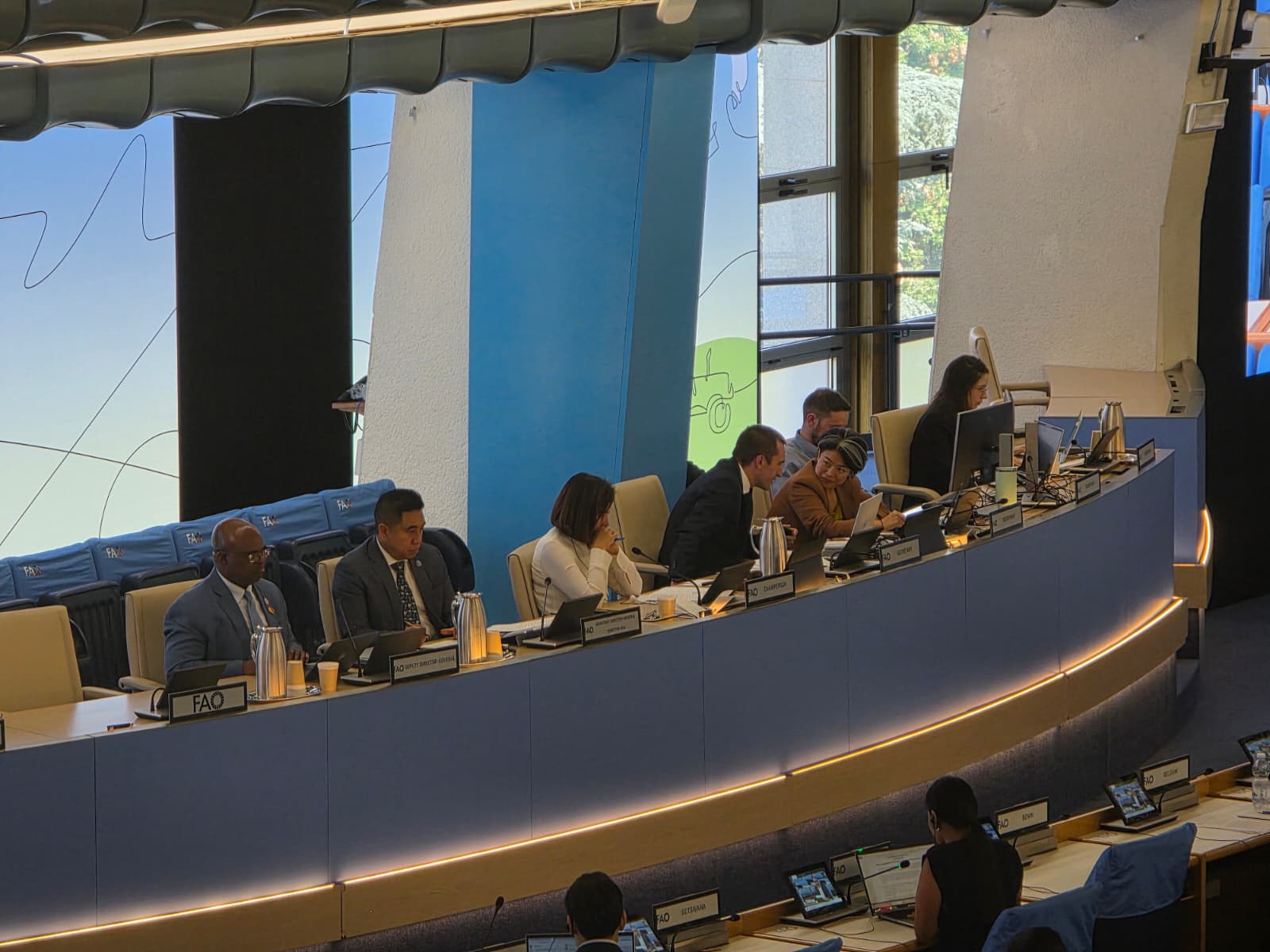
The 30th Session of the Food and Agriculture Organization of the United Nations (FAO) Committee on Agriculture (COAG), held in Rome from 20–24 July 2026, set out key priorities for advancing more productive, resilient, inclusive and sustainable agrifood systems.
This biennial session of COAG addressed several areas shaping the future of agriculture, including innovation, sustainable livestock, One Health, soil health, biodiversity, climate resilience, and sustainable land and water management. The discussions also highlighted the important role of women, youth, family farmers and smallholders in rural development and poverty reduction.
Innovation and stronger agrifood systems
Innovation emerged central to the discussions. Greater investment in science, technology and innovation were highlighted alongside the need for stronger innovation systems, supportive policy and regulatory frameworks, and partnerships that can help bring new solutions to scale.
Strengthening collaboration across countries was seen as an important part of this effort, with South-South and Triangular Cooperation providing avenues for knowledge exchange, shared learning and innovation. This momentum will continue through the Science and Innovation Forum in October 2026, where science and innovation will remain at the heart of discussions on the future of agrifood systems.
The conversation also extended to agricultural inputs, highlighting the importance of reliable access, improved fertilizer efficiency, lower-emission nutrient solutions, and continued investment in agricultural research and innovation. Within the wider discussion on innovation for food security, the broader term “bio-inputs” was ultimately reflected in the conclusions, encompassing a wider range of inputs and solutions for sustainable agriculture.
Soil, land and water at the heart of resilience
Building resilient agrifood systems starts with the natural resources that sustain them. Integrated land-use planning, sustainable soil management, irrigation, water harvesting, agroforestry, ecosystem restoration and integrated water resources management are important elements of productive and resilient agrifood systems.
These approaches also reflect the close links between climate adaptation, biodiversity conservation, land degradation and food security. Addressing these challenges in an integrated and coherent way will be essential to strengthening agrifood systems while ensuring the sustainable use and conservation of natural resources.
Soil health received particular attention through the Global Soil Partnership, with progress under its Action Framework welcomed and revised Terms of Reference set to move forward to the FAO Council for endorsement.
A significant stride worth noting was the request for FAO to submit a draft Conference Resolution proposing a United Nations Decade on Soil Health for 2031–2040 to the 182nd Session of the FAO Council. The proposal signals growing international recognition of the importance of healthy soils to agricultural productivity, sustainability and food security.
One Health and inclusive rural transformation
The One Health approach remains important to building resilient and sustainable agrifood systems, with prevention, preparedness, surveillance, biosecurity and antimicrobial resistance management among the key priorities highlighted.
The discussions stressed the need for these efforts to be guided by sound scientific evidence, risk-based approaches and internationally recognized standards.
Beyond these technical priorities, attention was also given to ensuring that agrifood systems transformation is inclusive. Women, youth, family farmers and smallholders were recognized as central to rural development, poverty reduction and the future of agrifood systems.
Creating the conditions for these groups to participate and thrive will require greater access to finance, land, technology and markets, alongside opportunities in digital agriculture, entrepreneurship and capacity building. Better sex- and age-disaggregated data was also highlighted as important for informing evidence-based policies and ensuring that interventions respond to the needs of different communities.
Turning commitments into implementation
For Africa, the drive towards implementation was reflected in a side event exploring practical approaches to advancing the CAADP Kampala Declaration.
Rwanda and Zambia shared experiences in operationalizing National Agrifood Systems Investment Plans through stronger coordination, integrated planning, accountability frameworks and multi-stakeholder governance.
FAO also launched an Agrifood Systems Handbook aimed at supporting governments in designing and implementing agrifood systems policies through a systems approach, with tools, methodologies, case studies and learning resources for policymakers.
Turning the outcomes from Rome into meaningful progress will require sustained investment, stronger partnerships and continued collaboration across governments, research institutions, development partners and communities. Ultimately, progress will be measured by how effectively these efforts translate into more productive, resilient and sustainable agrifood systems that deliver for people and the planet.

In these challenging times, when geopolitics seem more discordant than they have been in generations,…
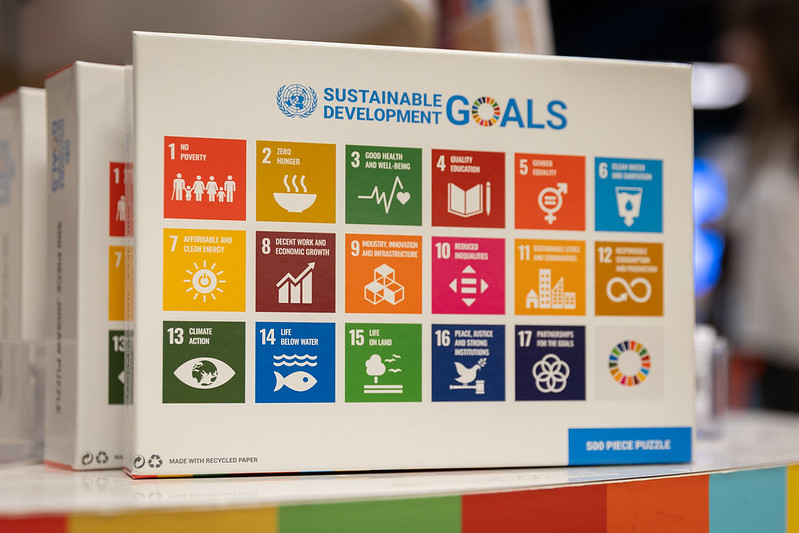
With only four years remaining to deliver on the promise of the Sustainable Development Goals…